A solid be a voice actor sounds list is the difference between freezing on the mic and turning a random lobby into a highlight reel. The game throws clips at you with almost no prep time, so knowing which sound categories exist, how they score, and which ones fit your vocal range gives you a massive edge before the first round even starts. This guide breaks down every clip type, from beginner-friendly impressions to the clips that make even confident players sweat.
Understanding the Core Sound Categories
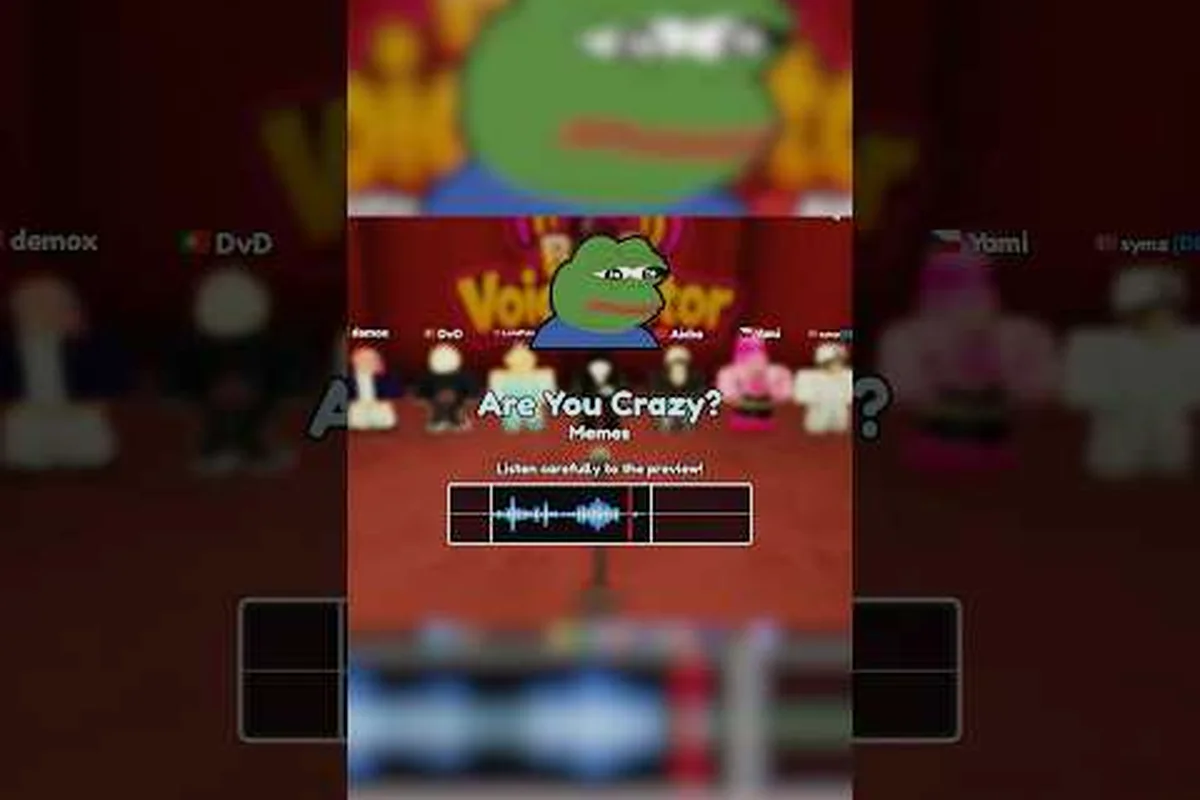
Be A Voice Actor rotates through a surprisingly wide range of audio prompts, and the official Roblox page confirms the core loop: listen to a clip, imitate it into your microphone, and get scored against the lobby. The scoring system rewards accuracy, timing, and sometimes pure entertainment value, which means the best strategy is to understand the categories rather than memorize individual clips. Community gameplay videos show the same round structure across regions, with clips playing once before each player takes a turn on the mic.
The Five Main Clip Families
Every sound in the game falls into one of five broad families, and each one tests a different vocal skill. Knowing which family you are strongest in lets you lean into your strengths when the rotation lands on your turn.
| Clip Family | Core Skill Tested | Typical Difficulty | Example Sounds |
|---|---|---|---|
| Animal Sounds | Pitch control and texture | Easy to Medium | Dog bark, cat meow, bird chirp |
| Human Reactions | Timing and emotional range | Easy to Medium | Laugh, scream, sneeze, yawn |
| Machine and SFX | Rhythm and mechanical precision | Medium to Hard | Engine rev, alarm, laser zap |
| Character Voices | Accent and persona work | Medium to Hard | Cartoon hero, villain, robot |
| Meme and Pop Culture | Cultural awareness and delivery | Medium | Viral clips, iconic lines |
The animal and human reaction families are the most forgiving for new players because they rely on sounds most people have made since childhood. Machine and SFX clips demand tighter control over rhythm and pitch, while character voices require you to commit to a full persona for a few seconds. The meme category is unpredictable because it depends on whether you recognize the reference, which is why a broad be a voice actor sounds list helps you prepare for anything.
Easy Sounds That Build Confidence Fast
If you are just starting out, the easy sound pool is where you want to land your first few rounds. These clips are forgiving because the scoring system accepts a wide range of interpretations, and the lobby tends to be more generous with votes when the sound is inherently fun. According to community data gathered from early sessions, easy sounds consistently produce higher average scores for players with less than ten hours in the game.
Starter Impressions That Almost Always Score
The easiest clips share a few traits: they are short, they have a clear pitch target, and they do not require a specific accent or cultural reference. When you hear one of these, you can commit immediately without second-guessing your approach.
-
Dog bark — short, punchy, and everyone knows what a bark sounds like
-
Cat meow — high pitch with a slight upward inflection at the end
-
Sneeze — explosive start with a quick release, easy to exaggerate
-
Yawn — slow, low, and relaxed, with a natural pitch drop
-
Laugh — pick a style (giggle, belly laugh, wheeze) and commit fully
-
Car horn — two quick beeps with a nasal tone
-
Phone ring — a rhythmic trill that is easy to replicate
These easy sounds are not just for beginners. Even experienced players use them as warm-ups because they reset your vocal cords and build momentum before a harder clip arrives. The key is to avoid overthinking: the game rewards commitment, and a confident bark beats a hesitant, half-hearted impression every time. If you want to see how these clips stack up against the full roster, the sound ranking breakdown shows which easy sounds actually pull the highest scores in real lobbies.
Funny Sounds That Win Over the Lobby
Humor is a scoring multiplier in Be A Voice Actor, and the funny sound pool is where personality matters more than technical accuracy. A technically imperfect impression that makes the lobby laugh often outscores a precise but boring one, especially in casual servers where the voting is more about entertainment than strict mimicry. The official game page emphasizes imitating popular sounds, and the most popular funny clips tend to be the ones that invite dramatic delivery.
According to the official Be A Voice Actor page on Roblox, the game’s sound list is organized by category and updated with each major content patch.
Comedy Clips That Reward Overacting
The funny sounds in this game thrive on exaggeration. If a clip is inherently ridiculous, leaning into the absurdity almost always works better than trying to be subtle. The lobby wants a show, and these clips give you permission to be loud, weird, and completely unhinged.
| Funny Sound | Why It Works | Delivery Tip |
|---|---|---|
| Chicken cluck | Inherently silly rhythm | Speed up the clucks for chaos |
| Fart noise | Universal humor | Commit fully, no hesitation |
| Dramatic scream | Over-the-top emotion | Start low, spike high, cut off |
| Baby cry | Awkward and funny | Nasal, wobbly, and loud |
| Robot malfunction | Mechanical absurdity | Stutter and glitch your voice |
| Dying smoke alarm | Relatable annoyance | Intermittent beeps with panic |
The funny sounds are also the best category for building a reputation in a lobby. When you land a hilarious impression early, other players remember you, and that social momentum carries into later rounds where the voting can swing in your favor. The rare sounds guide covers the meme and cartoon clips that show up less often but can absolutely steal a round when they do appear.
Hard Sounds That Separate the Best
The hard sound pool is where the game stops being casual and starts testing actual vocal control. These clips demand precise pitch matching, complex rhythms, or sustained tones that most players cannot hold without practice. Community reports consistently identify machine sounds and multi-layered SFX as the most difficult category, with failure rates noticeably higher than animal or human reaction clips.
The Clips That Make Players Sweat
Hard sounds share a common thread: they require you to produce a sound that your voice was never designed to make. A human voice can approximate a dog bark easily, but mimicking a laser beam or a distorted engine requires deliberate technique and a willingness to sound ridiculous while doing it.
-
Laser zap — requires a sharp pitch sweep from high to low in under a second
-
Engine rev — demands a sustained low rumble with rhythmic pulses
-
Alarm siren — alternating high-low pitch with precise timing
-
Dial-up modem — a chaotic sequence of screeches and beeps
-
Thunder rumble — deep, rolling, and sustained for several seconds
-
Helicopter blades — rapid rhythmic pulses with a consistent beat
The hardest part of these clips is not the initial sound but maintaining consistency. A laser zap that wavers halfway through loses points quickly, and a siren that drifts off-pitch reads as sloppy to the scoring system. The sound imitation tips break down the specific techniques for holding these difficult sounds steady, including breath control drills that help with sustained machine noises.
Building Your Personal Sound Arsenal
The best players do not try to master every clip in the game. Instead, they build a personal arsenal of five to ten sounds they can execute reliably under pressure, then expand outward as they gain confidence. This approach is more effective than memorizing a full be a voice actor all sounds checklist because the game rotates clips quickly and you rarely get to choose what plays on your turn.
The Five-Sound Starter Kit
If you are building your first arsenal, start with one sound from each major category. This gives you coverage across the full rotation while keeping your practice focused. Here is a balanced starter kit that works for most players:
| Category | Recommended Sound | Why It Works |
|---|---|---|
| Animal | Dog bark | Easy, recognizable, high floor |
| Human Reaction | Dramatic laugh | Shows personality, hard to mess up |
| Machine | Car horn | Simple rhythm, clear pitch target |
| Character | Robot voice | Monotone is easy to sustain |
| Meme | Any viral clip you know | Recognition boosts votes |
Once you have these five locked in, add one new sound per session. The goal is incremental expansion, not overnight mastery. Players who try to learn twenty sounds at once end up mediocre at all of them, while players who focus on five strong impressions consistently outperform in lobbies. The sound accuracy guide explains how the scoring system evaluates precision, which helps you decide which sounds are worth the practice time.
Reading the Lobby Before You Commit
Your sound choice should also account for the lobby you are in. A casual server full of players goofing around rewards funny sounds and dramatic delivery, while a competitive lobby with serious players values technical accuracy more. Watch how the first few rounds play out before you decide whether to lean into comedy or precision. The official game page lists a maximum server size of seven players, which means you get a clear read on the room quickly and can adjust your approach within the first two rotations.
Frequently Asked Questions
What is the easiest sound to score high with in Be A Voice Actor?
The dog bark is widely considered the easiest high-scoring sound because it is short, universally recognizable, and requires no special vocal technique. Most players can produce a convincing bark on their first attempt, and the scoring system accepts a wide range of pitch variations. It is the safest pick for new players.
Are funny sounds better than accurate sounds for winning rounds?
It depends on the lobby. In casual servers, funny sounds often outperform technically accurate ones because entertainment value drives voting. In competitive lobbies, precision matters more. The best strategy is to read the room during the first two rounds, then lean into comedy or accuracy based on how other players are voting.
How many sounds should I practice before playing?
Start with five sounds, one from each major category, and master those before expanding. Trying to learn too many sounds at once leads to mediocre impressions across the board. Add one new sound per session once your starter kit feels reliable under pressure.
Do hard sounds actually score higher than easy sounds?
Not automatically. Hard sounds can score higher when executed perfectly, but they also carry a much higher failure risk. A perfectly executed easy sound usually outscores a sloppy attempt at a hard sound, which is why consistency matters more than difficulty when building your arsenal.
Can I use the same sound every round?
The game rotates clips automatically, so you cannot choose the same sound every round. However, you can develop a signature style that applies across similar sounds, such as always adding a dramatic flair to human reaction clips. This creates a consistent identity without relying on a single impression.