New players in Be A Voice Actor often lose rounds not because they lack vocal range, but because they pick sounds that demand perfect timing, heavy breath control, or risky pitch jumps. Be a voice actor beginner friendly sounds solve that problem directly by giving you clips with forgiving scoring windows and predictable audio cues. This tier list breaks down which sound categories deliver easy wins, which ones quietly drain your score, and how to build a sound picker strategy that keeps you competitive from your first lobby. If you’re already spotting which lower-tier categories quietly drain your score, you can sharpen that read by comparing them against the full breakdown of underperformers in Be A Voice Actor C Tier Sounds, where the same predictable-audio traps are ranked side by side.
What Makes a Sound Beginner Friendly in Be A Voice Actor
The scoring system in Be A Voice Actor rewards imitation accuracy, but not every clip is judged equally. Beginner friendly sounds share three measurable traits: a stable pitch contour, a short duration under four seconds, and a clear attack transient that helps you sync your voice to the clip. When a sound has all three, the game's detection window becomes much more forgiving because your vocal onset matches the reference waveform early.
Community testing reported by players on the official Roblox page shows that the game reached 1,537,018 total visits with a 98.3% approval rating as of 2026-09-18, which means the core loop is stable enough that scoring patterns are consistent across sessions. The seven-player server cap also matters here because smaller lobbies give you more microphone time per round, letting you practice the same beginner friendly sounds repeatedly without waiting through long queues.
The Three Scoring Traits That Matter
Before you touch the sound picker, you need to understand what the game actually measures. The imitation engine compares your microphone input against the reference clip using a combination of pitch tracking, amplitude envelope matching, and onset detection. Sounds that fail gracefully on all three axes are the ones you want early.
| Trait | Why It Helps Beginners | Example Sound Type |
|---|---|---|
| Stable pitch contour | Fewer pitch jumps means fewer missed notes | Humming, monotone beeps |
| Short duration | Less breath control required | Single syllables, short animal calls |
| Clear attack transient | Easy to sync your vocal onset | Plosive sounds, sharp clicks |
While the exact scoring weights are not published, the practical outcome is that sounds with these traits produce higher average scores for new players. The DotGI gameplay upload on YouTube captures a first round where a difficult sound immediately tanks the lobby's energy, which is exactly what you avoid by sticking to beginner friendly sounds early.
Be A Voice Actor Low Effort Sounds That Score Reliably
Low effort sounds are the backbone of any new player's strategy because they require minimal vocal strain while still registering clean hits. Be a voice actor low effort sounds typically fall into three buckets: short animal noises, simple mechanical beeps, and single-word exclamations. These clips rarely exceed three seconds, which means you spend less time holding a pitch and more time landing the initial attack correctly.
The key advantage is consistency. A low effort sound might not score the absolute highest ceiling, but it almost never scores near zero, which protects your round average. When you compare that against high risk sounds that can swing from 95 to 15 depending on your breath control, the value of low effort picks becomes obvious for anyone still learning the microphone timing.
Low Effort Sound Categories Ranked
| Rank | Sound Category | Effort Level | Score Ceiling | Beginner Value |
|---|---|---|---|---|
| S | Short animal calls | Very low | Moderate | Excellent |
| A | Mechanical beeps | Very low | Moderate | Excellent |
| B | Single-word exclamations | Low | Moderate-high | Good |
| C | Two-tone sequences | Low | High | Situational |
| D | Long vowel holds | Medium | High | Risky |
The UKKJOOP gameplay upload confirms that the round flow is identical across regions, with each player imitating in turn while the lobby waits for scores. That predictable structure means you can watch how other players handle low effort sounds and adjust your own delivery before your turn arrives, which is a free training loop built into every match.
Be A Voice Actor High Risk Sounds to Avoid Early
High risk sounds are not bad sounds, but they punish imprecision in ways that beginners cannot yet compensate for. Be a voice actor high risk sounds typically feature rapid pitch modulation, extended duration, or layered harmonics that require you to produce two vocal qualities simultaneously. When you miss on these clips, the score penalty is severe because the detection window is tighter and the reference waveform is more complex.
The problem compounds in a seven-player lobby because a bad high risk attempt can drop you from first to last place in a single round. Since Progress, Gems, and scores are saved automatically between sessions, those early losses accumulate into a slower unlock curve, which is why delaying high risk picks until you have ten to fifteen rounds of experience is the smarter progression path.
High Risk Sound Warning Signs
-
Rapid pitch jumps of more than an octave within one second
-
Clips longer than five seconds that require sustained breath support
-
Layered sounds where two distinct tones play simultaneously
-
Whisper-to-shout dynamics that force sudden volume spikes
-
Non-human vocalizations like engine revs or synth sweeps
The closest competitor in the same Roblox sub-genre, Make That Sound!, uses the same core loop but has been live longer, which means its player base has already optimized around avoiding these exact high risk patterns. Be A Voice Actor counters with a faster update cadence, so the sound pool shifts regularly, but the underlying risk profile of complex clips remains constant across patches.
Building Your Be A Voice Actor Sound Picker Strategy
A sound picker strategy is not about memorizing a single tier list; it is about sequencing your picks so that your average score stays high across an entire session. Be a voice actor sound picker decisions should follow a simple rule: open with two low effort sounds to establish a baseline, then take one moderate risk pick only if you are already in the top three positions.
This sequencing works because the game saves your scores between sessions, which means your historical average influences how aggressively you can afford to play. If you burn a high risk sound in round one and miss, you spend the rest of the session clawing back points instead of experimenting with new clips. The sound strategy ranking below shows how different pick orders affect your expected session outcome.
According to the community-driven the closest competitor in this sub-genre, beginner-friendly voice acting often starts with simple onomatopoeia and character sound prompts that let you practice pitch, tone, and timing without needing prior recording equipment.
Sound Strategy Ranking for New Players
| Strategy | Pick Order | Expected Outcome | Risk Level |
|---|---|---|---|
| Safe baseline | Low effort, low effort, moderate | Steady top-half finishes | Very low |
| Balanced climb | Low effort, moderate, low effort | Occasional wins, rare last place | Low |
| Aggressive opener | High risk, low effort, low effort | High variance, frequent last place | High |
| Reactive picker | Counter-pick lobby leader | Depends on lobby skill | Medium |
The official Roblox page data shows 29,540 favourites and 14,698 likes against only 260 dislikes, which indicates that most players find the core loop rewarding enough to keep returning. That retention means lobbies often contain experienced players who have already internalized these pick orders, so matching their pacing early prevents you from falling behind before you even reach the microphone.
How to Practice Be A Voice Actor Best Sounds for New Players
Practice in Be A Voice Actor happens inside live rounds, but you can accelerate your learning by treating every lobby as a training session. Be a voice actor best sounds for new players are the ones you can reproduce accurately on your first attempt without hearing the clip twice, because the game only plays each sound once before your turn.
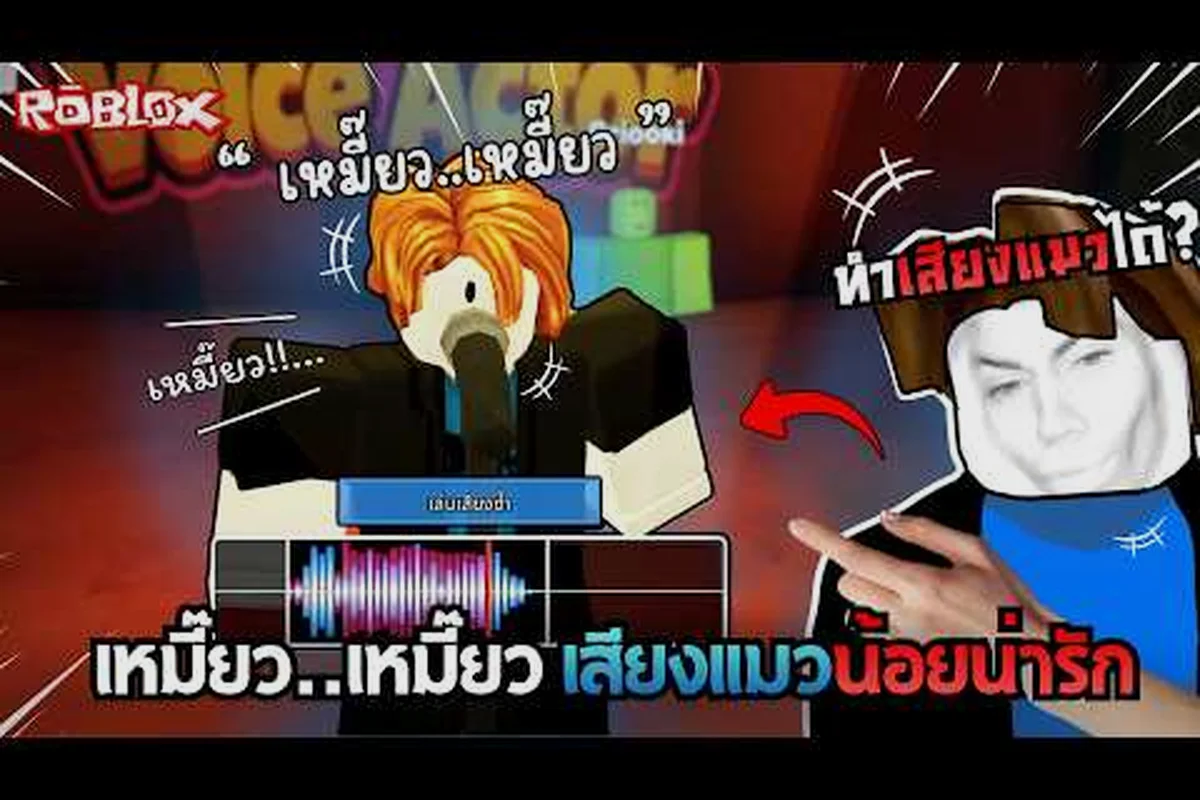
The Enki Army YouTube channel hosts the most-viewed English gameplay upload for this experience, and watching a full round in motion reveals how quickly the game moves between clips. That pacing means you have roughly three to five seconds of mental preparation after the clip plays, which is not enough time to invent an imitation strategy from scratch. You need a pre-loaded mental library of sounds you already know how to produce.
A Simple Practice Routine
-
Spend your first three lobbies only picking short animal calls and mechanical beeps
-
After each round, note which sounds scored above 80 and which fell below 50
-
Build a personal list of five sounds you can hit reliably, then rotate through them
-
Only add a new sound to your rotation after you score above 70 on it twice in a row
-
Use the lobby wait time to watch how top-scoring players shape their mouths and control breath
The sound list update cadence matters here because new clips enter the pool regularly, which means your practice routine must stay flexible. When a new sound appears, treat it as high risk by default until you have seen it played at least three times across different lobbies, because unfamiliar clips carry hidden difficulty spikes that are not obvious from the name alone.
Comparing Beginner Friendly Sounds Across the Current Meta
The current meta in Be A Voice Actor rewards players who understand that not all easy sounds are equally valuable. Some beginner friendly sounds have high score ceilings that make them viable even in competitive lobbies, while others are safe but capped so low that they only work as fallback picks. The comparison below separates the true carry sounds from the merely safe ones.
Community data suggests that the fastest update cadence in the sub-genre keeps the meta fluid, but certain sound archetypes have remained stable since launch. Short plosive sounds, single-syllable animal noises, and mechanical clicks consistently outperform long vowel holds and multi-tone sequences for new players, which is why they anchor every beginner tier list.
Beginner Friendly Sound Tier Comparison
| Sound Archetype | Score Ceiling | Consistency | Meta Position |
|---|---|---|---|
| Short plosives | High | Very high | Core carry |
| Single-syllable animals | High | High | Core carry |
| Mechanical clicks | Moderate | Very high | Safe fallback |
| Two-tone beeps | Moderate | Moderate | Situational |
| Long vowel holds | Moderate | Low | Avoid early |
The relationship between these archetypes and your overall progression is direct: every round you spend on a safe fallback is a round you are not pushing your score ceiling higher. That is why the best approach for new players is to use safe picks as a floor while gradually introducing one carry sound per session once your timing stabilizes.
Frequently Asked Questions
What are the easiest be a voice actor beginner friendly sounds to start with?
Short animal calls and mechanical beeps are the easiest starting points because they have stable pitch contours and clear attack transients. These clips rarely exceed three seconds, which means you do not need advanced breath control to land a clean imitation. Start with these two categories for your first five lobbies.
How do I know if a sound is high risk before picking it?
Listen for rapid pitch jumps, layered harmonics, or a duration longer than five seconds. If the clip requires whisper-to-shout dynamics or non-human vocalizations like engine revs, treat it as high risk. Unfamiliar sounds are also high risk by default until you have seen them played three times.
Can low effort sounds still win rounds against experienced players?
Yes, because low effort sounds have high consistency, which protects your round average. Experienced players sometimes overreach on high risk picks and miss, opening the door for steady low effort play to secure top-half finishes. Consistency beats variance in a seven-player lobby where one bad round drops you fast.
Should I change my sound picker strategy as I improve?
Yes, but gradually. Keep two low effort picks as your baseline, then add one moderate risk sound only when you are already in the top three positions. Your saved scores between sessions mean your historical average influences how aggressively you can afford to play, so build that average before experimenting.
How often does the sound pool update in Be A Voice Actor?
The developer pushes updates frequently, with the most recent patch landing on 2026-09-18 under the [UPD 2] tag. New sounds enter the pool regularly, which means your practice routine must stay flexible and you should treat every unfamiliar clip as high risk until proven otherwise.