
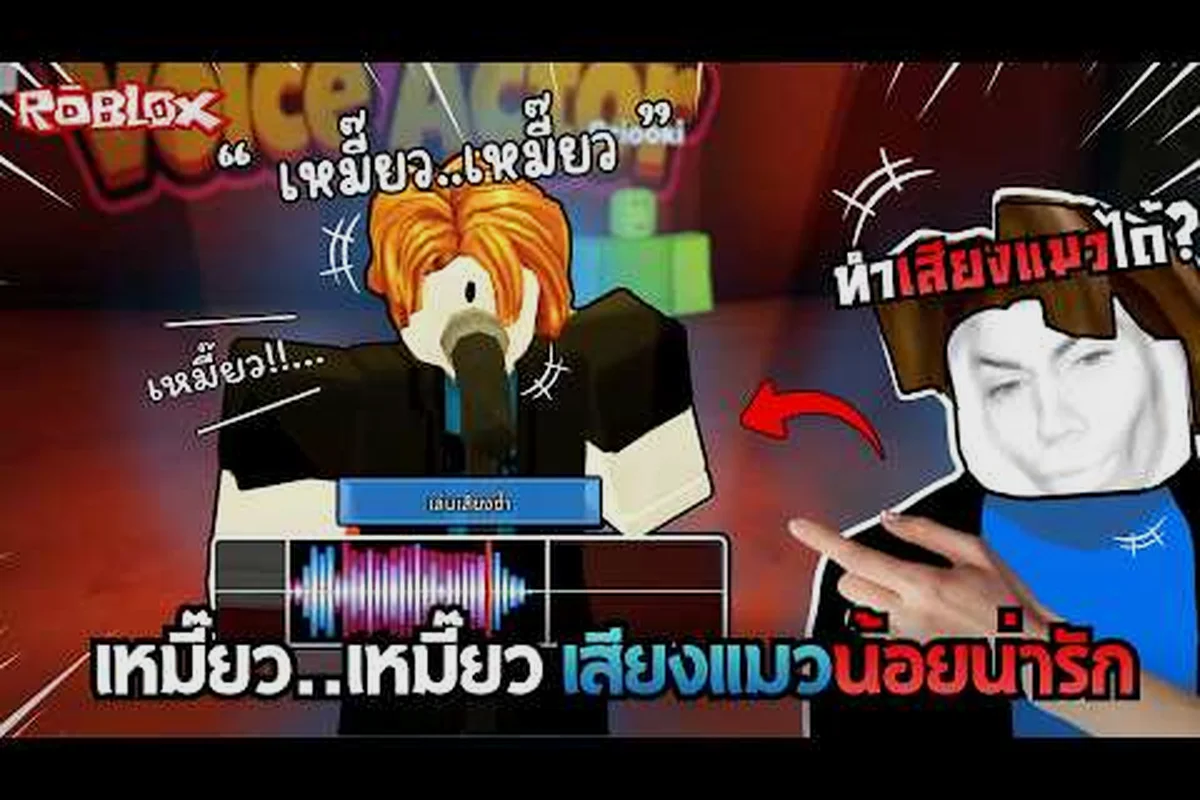
Jumping into a public lobby alone can feel intimidating, but Be A Voice Actor solo tips make the experience far more rewarding than most players expect. The game's 7-player server cap means every round stays intimate enough for one strong voice to dominate, yet chaotic enough that preparation beats raw talent. Understanding how to read the room, manage your microphone timing, and avoid the mistakes that tank solo runs will transform you from a quiet spectator into a consistent top-scorer.
What Solo Players Need to Know Before the First Round
The most important Be A Voice Actor things to know before queuing alone is that Voice Chat verification is mandatory to compete. The official Roblox listing states that any player who has not completed platform voice verification cannot take part in a scoring round, which means your first session should start with a platform settings check rather than a mic test inside the game. Once verified, you will drop into a lobby with up to six strangers, all competing to imitate popular sounds and earn the highest score.
The stage layout follows a consistent pattern across every match, according to community gameplay recordings. Players line up on a red stage with a microphone prop in the center, and each round cycles through a clip playback phase followed by individual imitation attempts. The scoreboard appears only at the end of the session, which means you will not know your exact standing until the final tally. This delayed feedback is one of the biggest psychological hurdles for solo players, because it forces you to commit fully to every round without knowing whether your current approach is working.
| Solo Readiness Factor | What It Means | Why It Matters Alone |
|---|---|---|
| Voice Chat Verified | Platform-level voice access enabled | Cannot score without it |
| Microphone Latency | Delay between speaking and in-game pickup | Causes clipped or missed imitations |
| Round Awareness | Knowing which clip is being played | Prevents copying the wrong sound |
| Lobby Reading | Observing other players' styles | Helps you pick contrasting approaches |
The 7-player server cap works in your favor as a solo player because it prevents the overwhelming chaos of larger lobbies while still providing enough competition to make wins meaningful. When you are alone, you have no teammate to coordinate with, which means every decision about which sound to imitate and how aggressively to perform rests entirely on your own judgment. This independence can feel isolating at first, but it also removes the friction of group decision-making that often slows down coordinated teams.
Reading Public Lobbies Without a Group
Solo success depends heavily on your ability to read the room before you ever step up to the microphone. When you play Be A Voice Actor with friends, you already know their strengths, weaknesses, and comedic tendencies, which lets you predict their performances. In a public lobby, you are working with complete strangers, so the first two rounds become an information-gathering exercise rather than a pure scoring opportunity.
Pay attention to how other players approach the microphone. Some players go for high-energy exaggeration, throwing their whole body into every imitation and prioritizing entertainment value over accuracy. Others take a clinical precision approach, focusing on matching the exact pitch, rhythm, and tonal quality of the original clip. Neither style is objectively better, but understanding which players favor which approach helps you identify gaps in the lobby that you can exploit.
| Player Archetype | Typical Behavior | Solo Counter-Strategy |
|---|---|---|
| The Performer | Loud, theatrical, prioritizes laughs | Match their energy but add accuracy |
| The Technician | Quiet, precise, focuses on exact match | Add personality to stand out |
| The Hesitator | Short clips, trails off early | Commit fully to every round |
| The Meme Spammer | Repeats viral sounds regardless of prompt | Stay on-prompt to score higher |
The clip playback phase is your best opportunity to plan rather than panic. While the sound plays, resist the urge to immediately start practicing out loud, because other players are also listening and you will create audio clutter that muddies the reference. Instead, focus on identifying the core acoustic signature of the clip—the pitch contour, the rhythm pattern, and any distinctive phonetic elements that define the sound. This analytical approach separates consistent solo scorers from players who rely on raw mimicry and hope for the best.
Private Server Practice for Solo Improvement
A Be A Voice Actor private server guide is essential for solo players who want to improve without the pressure of public judgment. Private servers let you load into the experience alone or with a small group of invited players, which means you can practice imitations repeatedly without worrying about your score being compared against strangers. This low-stakes environment is where most of your mechanical improvement should happen, because it removes the performance anxiety that causes players to underperform in public lobbies.
The practice loop in a private server should focus on deliberate repetition rather than casual play. Pick one sound category at a time—animal noises, mechanical sounds, or vocal phrases—and run through it five to ten times in a row. After each attempt, ask yourself three questions: Did I match the pitch? Did I match the rhythm? Did I sustain the sound for the full duration? This structured self-assessment builds the muscle memory that public lobbies reward.
Building a Solo Practice Routine
A consistent practice routine matters more than long practice sessions. Fifteen minutes of focused private server work three times per week will produce better results than a two-hour marathon once a week, because voice imitation relies on neuromuscular pattern recognition that consolidates during rest periods. Your vocal cords are also physical structures that fatigue with overuse, so shorter sessions protect against the strain that degrades your performance in later rounds.
| Practice Focus | Duration | Expected Outcome |
|---|---|---|
| Pitch Matching | 5 minutes | Hit target notes more consistently |
| Rhythm Replication | 5 minutes | Match clip timing and pauses |
| Sustain Control | 3 minutes | Hold sounds without wavering |
| Style Flexibility | 2 minutes | Switch between character voices |
The official developer group, Be A Voice Actor by Frameworks on Roblox, is the primary channel for update announcements and patch information. Joining the group grants a badge and keeps you informed about changes that might affect how scoring works or which sounds appear in the rotation. Solo players benefit disproportionately from this information because they have no teammates to share discoveries with, making self-directed learning the only path to staying current.
Common Mistakes That Sink Solo Runs
Be A Voice Actor common mistakes tend to cluster around a few predictable failure points that solo players hit repeatedly. The first is overcommitting to the first sound you hear, which happens when you start imitating before the clip has fully played. This leads to mismatched performances that score poorly because you are responding to an incomplete reference. The fix is simple: wait for the full clip to finish before you make a sound, even if it feels like you are losing valuable practice time.
The second major mistake is ignoring the scoreboard dynamics until the final tally. Because the game only shows scores at the end of the session, many solo players assume they cannot track their performance mid-match. In reality, you can infer a lot from how other players react to your imitations and how the lobby's energy shifts after each round. Players who consistently land strong imitations tend to draw more attention and sometimes even verbal acknowledgment from strangers, which serves as an informal performance indicator.
| Common Mistake | Why It Happens | How to Fix It |
|---|---|---|
| Early Imitation | Anxiety about silence | Wait for full clip playback |
| Volume Inconsistency | Nervous energy | Practice at consistent speaking volume |
| Ignoring Lobby Cues | Tunnel vision on own performance | Observe reactions between rounds |
| Copying Other Players | Uncertainty about the prompt | Trust your own interpretation |
The third mistake is copying other players' imitations instead of trusting your own interpretation of the clip. In a public lobby, you will often hear someone else attempt the sound before your turn, and the temptation to mimic their approach is strong. This backfires because you are now imitating an imitation, which compounds any errors in their performance and adds your own timing lag on top. The beginner tips guide covers foundational habits that help you build confidence in your own reads, which is especially valuable when you are playing without a support network.
Advanced Solo Strategies for Public Lobbies
Once you have mastered the basics, solo play opens up strategic depth that most players never explore. The first advanced technique is contrast positioning, which involves deliberately choosing an imitation style that differs from the dominant approach in your current lobby. If most players are going loud and theatrical, a controlled, precise imitation stands out more. If the lobby is full of technical purists, adding personality and energy to your performance makes you memorable when the scoreboard finally appears.
The second technique is round-by-round adaptation, which requires you to treat each new clip as a fresh problem rather than applying the same approach every time. Some sounds reward pitch accuracy above all else, while others are more about rhythmic precision or emotional tone. The best solo players develop a quick diagnostic process: identify the sound's dominant characteristic within the first second of playback, then allocate your attention accordingly. This prevents the common trap of defaulting to your strongest skill even when the current clip demands something different.
Managing Solo Performance Anxiety
Performance anxiety hits solo players harder than groups because there is no teammate to share the spotlight or absorb a bad round. The physiological symptoms—tight throat, shallow breathing, rushed delivery—directly degrade your imitation quality, creating a feedback loop where anxiety causes poor performance, which increases anxiety for the next round. Breaking this loop requires pre-round breathing control and a post-round reset ritual that prevents one bad attempt from cascading into a full session collapse.
| Anxiety Trigger | Physical Effect | Solo Management Technique |
|---|---|---|
| Waiting for your turn | Increased heart rate | Slow exhale for 4 seconds |
| Previous bad round | Tight throat muscles | Hum softly to relax vocal cords |
| Strong competitor ahead | Rushed delivery | Mentally rehearse first sound only |
| Unknown clip | Panic response | Focus on first half-second of audio |
The improvement guide goes deeper into voice training techniques and warm-up exercises that build the physical foundation for consistent solo performance. While that guide focuses on the mechanical side of voice control, the strategies here address the psychological and strategic dimensions that matter just as much when you are competing alone.
Solo vs. Group Play: What Actually Changes
Playing Be A Voice Actor with friends changes the experience in ways that are not immediately obvious. The most significant difference is shared information processing—when you play with friends, you can discuss clips after each round, compare interpretations, and collectively identify what worked and what did not. Solo players lose this debrief loop entirely, which means you must build your own post-round analysis habits to compensate.
The second difference is emotional buffering. A bad round in a group setting gets absorbed by the collective mood, and friends typically offer encouragement or humor that softens the blow. Solo players experience bad rounds in isolation, which can lead to tilt—a state of frustration that degrades decision-making and causes you to perform worse in subsequent rounds. Recognizing tilt early and having a reset strategy is essential for solo players who want to maintain consistency across a full session.
| Factor | Solo Play | Group Play |
|---|---|---|
| Information Processing | Self-directed analysis | Shared discussion |
| Emotional Support | None built-in | Friends provide buffering |
| Strategy Flexibility | Full autonomy | Requires consensus |
| Accountability | Self-motivated | Peer expectations |
The Auto-Saving Progress feature confirmed on the official game page means your solo achievements and unlocks persist across sessions, which removes one source of anxiety for players who worry about losing progress when playing alone. The official Be A Voice Actor game page also confirms that Special Gamepasses with exclusive perks are available, though these are optional enhancements rather than competitive necessities. Solo players should focus on fundamental skills before considering any purchases.
Frequently Asked Questions
Do I need friends to enjoy Be A Voice Actor?
No, solo play is fully viable and many top performers queue alone. The 7-player server cap keeps lobbies manageable, and public matchmaking fills your session with strangers who are also there to compete. Your success depends on individual performance, not team coordination.
What is the biggest Be A Voice Actor common mistake for solo players?
The biggest mistake is imitating before the full clip finishes playing. This causes mismatched performances because you are responding to an incomplete reference. Wait for the entire sound to play before making your attempt, even if the silence feels uncomfortable.
Can I practice alone in a private server?
Yes, private servers let you load into the experience without public matchmaking. This creates a low-pressure environment where you can repeat sounds, experiment with different styles, and build muscle memory without worrying about your score being compared against strangers.
How do I avoid tilting when playing solo?
Recognize the physical signs of tilt—tight throat, rushed delivery, frustration after a bad round—and implement a reset ritual between rounds. A slow exhale, soft humming to relax your vocal cords, and mentally rehearsing only the first sound of the next clip all help break the tilt cycle.
Do I need voice chat verified to play solo?
Yes, Voice Chat verification is required to compete in scoring rounds, regardless of whether you play alone or with friends. Complete platform voice verification before queuing, because unverified players cannot participate in the scoring portion of the game.